APIX
The SaaS collaboration platform
APIX
The SaaS collaboration platform
APIX
The SaaS collaboration platform
APIX
The SaaS collaboration platform
APIX
The SaaS collaboration platform
Project overview
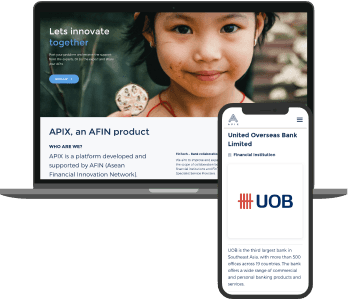
APIX lets users co-design new financial products and services in a community-led environment. Launched by the Indian Prime Minister at the Singapore Fintech festival it now helps over 350 banks and fintechs boost their innovation capacity.
Project overview
APIX lets users co-design new financial products and services in a community-led environment. Launched by the Indian Prime Minister at the Singapore Fintech festival it now helps over 350 banks and fintechs boost their innovation capacity.
Project overview
APIX lets users co-design new financial products and services in a community-led environment. Launched by the Indian Prime Minister at the Singapore Fintech festival it now helps over 350 banks and fintechs boost their innovation capacity.
Project overview
APIX lets users co-design new financial products and services in a community-led environment. Launched by the Indian Prime Minister at the Singapore Fintech festival it now helps over 350 banks and fintechs boost their innovation capacity.
Project overview
APIX lets users co-design new financial products and services in a community-led environment. Launched by the Indian Prime Minister at the Singapore Fintech festival it now helps over 350 banks and fintechs boost their innovation capacity.


The results
I led the 0–1 design of the APIX platform, creating scalable dashboards and reporting tools that brought clarity to complex financial collaboration. Working closely with engineers and product managers, I mentored a small design team and helped ship AI-enhanced financial learning tools.
The platform went on to serve 350+ fintechs and banks, achieving a 65% increase in successful onboarding.
The results
I led the 0–1 design of the APIX platform, creating scalable dashboards and reporting tools that brought clarity to complex financial collaboration. Working closely with engineers and product managers, I mentored a small design team and helped ship AI-enhanced financial learning tools.
The platform went on to serve 350+ fintechs and banks, achieving a 65% increase in successful onboarding.
The results
I led the 0–1 design of the APIX platform, creating scalable dashboards and reporting tools that brought clarity to complex financial collaboration. Working closely with engineers and product managers, I mentored a small design team and helped ship AI-enhanced financial learning tools.
The platform went on to serve 350+ fintechs and banks, achieving a 65% increase in successful onboarding.
The results
I led the 0–1 design of the APIX platform, creating scalable dashboards and reporting tools that brought clarity to complex financial collaboration. Working closely with engineers and product managers, I mentored a small design team and helped ship AI-enhanced financial learning tools.
The platform went on to serve 350+ fintechs and banks, achieving a 65% increase in successful onboarding.
The results
I led the 0–1 design of the APIX platform, creating scalable dashboards and reporting tools that brought clarity to complex financial collaboration. Working closely with engineers and product managers, I mentored a small design team and helped ship AI-enhanced financial learning tools.
The platform went on to serve 350+ fintechs and banks, achieving a 65% increase in successful onboarding.
Read the full case study below


Still here?
Want to know the full story?
Still here?
Want to know the full story?
Still here?
Want to know the full story?
Still here?
Want to know the full story?
Still here?
Want to know the full story?
The problem
Many Asian countries are still under-banked with most local banks in the region lacking the capacity to research, source, and most critically, easily integrate new solution providers. At the same time, it is difficult for young FinTech companies to make the regulatory compliance and technical investments needed to offer services across many countries.
The ASEAN Financial Innovation Network (AFIN) backed by the World Bank Group, the International Finance Corporation (IFC) and the Monetary Authority of Singapore (MAS) has been set up with the mission to facilitate innovation and cooperation between financial institutions and FinTechs to ultimately drive financial inclusion.

The problem
Many Asian countries are still under-banked with most local banks in the region lacking the capacity to research, source, and most critically, easily integrate new solution providers. At the same time, it is difficult for young FinTech companies to make the regulatory compliance and technical investments needed to offer services across many countries.
The ASEAN Financial Innovation Network (AFIN) backed by the World Bank Group, the International Finance Corporation (IFC) and the Monetary Authority of Singapore (MAS) has been set up with the mission to facilitate innovation and cooperation between financial institutions and FinTechs to ultimately drive financial inclusion.
The problem
Many Asian countries are still under-banked with most local banks in the region lacking the capacity to research, source, and most critically, easily integrate new solution providers. At the same time, it is difficult for young FinTech companies to make the regulatory compliance and technical investments needed to offer services across many countries.
The ASEAN Financial Innovation Network (AFIN) backed by the World Bank Group, the International Finance Corporation (IFC) and the Monetary Authority of Singapore (MAS) has been set up with the mission to facilitate innovation and cooperation between financial institutions and FinTechs to ultimately drive financial inclusion.
The problem
Many Asian countries are still under-banked with most local banks in the region lacking the capacity to research, source, and most critically, easily integrate new solution providers. At the same time, it is difficult for young FinTech companies to make the regulatory compliance and technical investments needed to offer services across many countries.
The ASEAN Financial Innovation Network (AFIN) backed by the World Bank Group, the International Finance Corporation (IFC) and the Monetary Authority of Singapore (MAS) has been set up with the mission to facilitate innovation and cooperation between financial institutions and FinTechs to ultimately drive financial inclusion.
The problem
Many Asian countries are still under-banked with most local banks in the region lacking the capacity to research, source, and most critically, easily integrate new solution providers. At the same time, it is difficult for young FinTech companies to make the regulatory compliance and technical investments needed to offer services across many countries.
The ASEAN Financial Innovation Network (AFIN) backed by the World Bank Group, the International Finance Corporation (IFC) and the Monetary Authority of Singapore (MAS) has been set up with the mission to facilitate innovation and cooperation between financial institutions and FinTechs to ultimately drive financial inclusion.


Jumping into the deep end
I joined the project with the product behind schedule, presenting a considerable challenge to meet the hard deadline of the Singapore Fintech festival. Moreover, the former lead UX designer had left soon after the initial research findings.
This was going to be a challenge.
Jumping into the deep end
I joined the project with the product behind schedule, presenting a considerable challenge to meet the hard deadline of the Singapore Fintech festival. Moreover, the former lead UX designer had left soon after the initial research findings.
This was going to be a challenge.
Jumping into the deep end
I joined the project with the product behind schedule, presenting a considerable challenge to meet the hard deadline of the Singapore Fintech festival. Moreover, the former lead UX designer had left soon after the initial research findings.
This was going to be a challenge.
Jumping into the deep end
I joined the project with the product behind schedule, presenting a considerable challenge to meet the hard deadline of the Singapore Fintech festival. Moreover, the former lead UX designer had left soon after the initial research findings.
This was going to be a challenge.
Jumping into the deep end
I joined the project with the product behind schedule, presenting a considerable challenge to meet the hard deadline of the Singapore Fintech festival. Moreover, the former lead UX designer had left soon after the initial research findings.
This was going to be a challenge.
User research
User research
User research
User research
User research
The plan
My first step was to take one back and redefine the research plan. The product quickly evolved with a partnership including financial institutions and FinTechs across all 11 Southeast Asian countries. Quickly setting well-defined objectives and key results with the core team proved to end the perpetual goal-switching that had plagued the initial research stages.
The plan
My first step was to take one back and redefine the research plan. The product quickly evolved with a partnership including financial institutions and FinTechs across all 11 Southeast Asian countries. Quickly setting well-defined objectives and key results with the core team proved to end the perpetual goal-switching that had plagued the initial research stages.
The plan
My first step was to take one back and redefine the research plan. The product quickly evolved with a partnership including financial institutions and FinTechs across all 11 Southeast Asian countries. Quickly setting well-defined objectives and key results with the core team proved to end the perpetual goal-switching that had plagued the initial research stages.
The plan
My first step was to take one back and redefine the research plan. The product quickly evolved with a partnership including financial institutions and FinTechs across all 11 Southeast Asian countries. Quickly setting well-defined objectives and key results with the core team proved to end the perpetual goal-switching that had plagued the initial research stages.
The plan
My first step was to take one back and redefine the research plan. The product quickly evolved with a partnership including financial institutions and FinTechs across all 11 Southeast Asian countries. Quickly setting well-defined objectives and key results with the core team proved to end the perpetual goal-switching that had plagued the initial research stages.
Finding the data
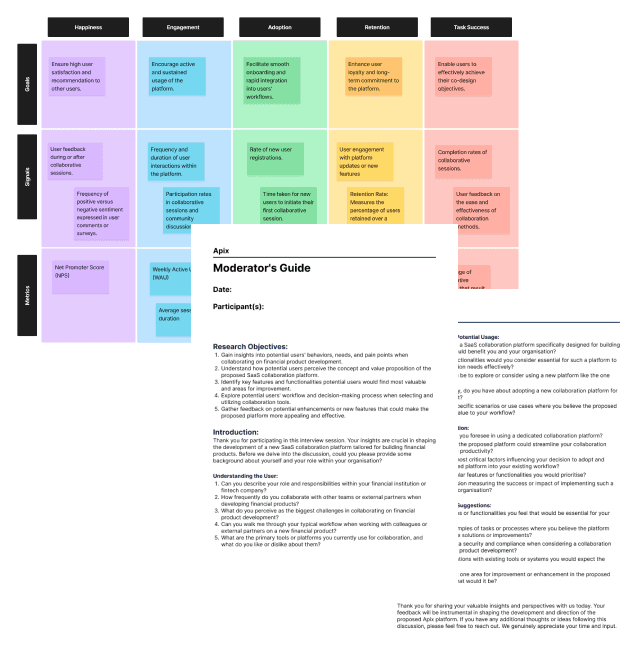
With the project manager and using the HEART framework to measure the quality of user experience. I designed user interviews, contextual inquiries, and online questionnaires tackling:
User behaviour with current digital banking platforms
Day to day workflows and processes
How success is measured across banking tasks
Finding the data
With the project manager and using the HEART framework to measure the quality of user experience. I designed user interviews, contextual inquiries, and online questionnaires tackling:
User behaviour with current digital banking platforms
Day to day workflows and processes
How success is measured across banking tasks
Finding the data
With the project manager and using the HEART framework to measure the quality of user experience. I designed user interviews, contextual inquiries, and online questionnaires tackling:
User behaviour with current digital banking platforms
Day to day workflows and processes
How success is measured across banking tasks
Finding the data
With the project manager and using the HEART framework to measure the quality of user experience. I designed user interviews, contextual inquiries, and online questionnaires tackling:
User behaviour with current digital banking platforms
Day to day workflows and processes
How success is measured across banking tasks
Finding the data
With the project manager and using the HEART framework to measure the quality of user experience. I designed user interviews, contextual inquiries, and online questionnaires tackling:
User behaviour with current digital banking platforms
Day to day workflows and processes
How success is measured across banking tasks


Research Objectives
Evaluating whether users understand the terminology and if the language used is appropriate.
Assessing if the process flows logically.
Determining if users can efficiently navigate through the process using UI elements.
Evaluating whether the content sufficiently supports users.
Analyzing how the design aligns with user goals, business objectives, project intent, and system or technical limitations.
Research Objectives
Evaluating whether users understand the terminology and if the language used is appropriate.
Assessing if the process flows logically.
Determining if users can efficiently navigate through the process using UI elements.
Evaluating whether the content sufficiently supports users.
Analyzing how the design aligns with user goals, business objectives, project intent, and system or technical limitations.
Research Objectives
Evaluating whether users understand the terminology and if the language used is appropriate.
Assessing if the process flows logically.
Determining if users can efficiently navigate through the process using UI elements.
Evaluating whether the content sufficiently supports users.
Analyzing how the design aligns with user goals, business objectives, project intent, and system or technical limitations.
Research Objectives
Evaluating whether users understand the terminology and if the language used is appropriate.
Assessing if the process flows logically.
Determining if users can efficiently navigate through the process using UI elements.
Evaluating whether the content sufficiently supports users.
Analyzing how the design aligns with user goals, business objectives, project intent, and system or technical limitations.


Research Synthesis
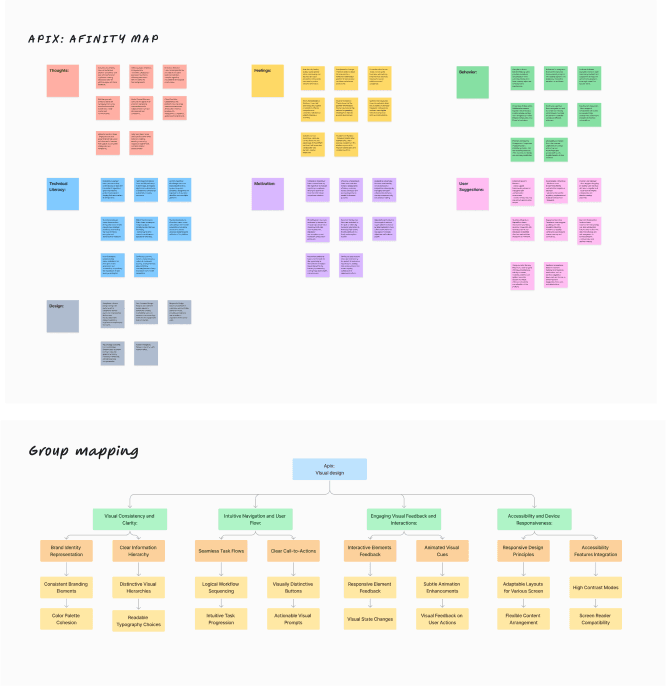
Following our interview, we organized and classified the data into an Affinity Map, enhancing our comprehension of the user experience.
Research Synthesis
Following our interview, we organized and classified the data into an Affinity Map, enhancing our comprehension of the user experience.
Research Synthesis
Following our interview, we organized and classified the data into an Affinity Map, enhancing our comprehension of the user experience.
Research Synthesis
Following our interview, we organized and classified the data into an Affinity Map, enhancing our comprehension of the user experience.
Research Synthesis
Following our interview, we organized and classified the data into an Affinity Map, enhancing our comprehension of the user experience.
Valuable insights
Discovery of additional key personas. Notably, the final delivery step from the finalised product to the marketplace relies heavily on the distinct user types not intrinsically involved in the production process.
Valuable insights
Discovery of additional key personas. Notably, the final delivery step from the finalised product to the marketplace relies heavily on the distinct user types not intrinsically involved in the production process.
Valuable insights
Discovery of additional key personas. Notably, the final delivery step from the finalised product to the marketplace relies heavily on the distinct user types not intrinsically involved in the production process.
Valuable insights
Discovery of additional key personas. Notably, the final delivery step from the finalised product to the marketplace relies heavily on the distinct user types not intrinsically involved in the production process.
Valuable insights
Discovery of additional key personas. Notably, the final delivery step from the finalised product to the marketplace relies heavily on the distinct user types not intrinsically involved in the production process.
What we propose
Incorporate the needs and feedback of the new stakeholders into the design process through iterative prototyping and testing.
Foster collaboration between the design team and other departments to ensure alignment on the inclusion of new stakeholders' needs in the platform design.
What we propose
Incorporate the needs and feedback of the new stakeholders into the design process through iterative prototyping and testing.
Foster collaboration between the design team and other departments to ensure alignment on the inclusion of new stakeholders' needs in the platform design.
What we propose
Incorporate the needs and feedback of the new stakeholders into the design process through iterative prototyping and testing.
Foster collaboration between the design team and other departments to ensure alignment on the inclusion of new stakeholders' needs in the platform design.
What we propose
Incorporate the needs and feedback of the new stakeholders into the design process through iterative prototyping and testing.
Foster collaboration between the design team and other departments to ensure alignment on the inclusion of new stakeholders' needs in the platform design.
What we propose
Incorporate the needs and feedback of the new stakeholders into the design process through iterative prototyping and testing.
Foster collaboration between the design team and other departments to ensure alignment on the inclusion of new stakeholders' needs in the platform design.
Communication
The need for a community to overcome collaboration and verification pain points between user needs, stakeholders and banking deliverables.
Communication
The need for a community to overcome collaboration and verification pain points between user needs, stakeholders and banking deliverables.
Communication
The need for a community to overcome collaboration and verification pain points between user needs, stakeholders and banking deliverables.
Communication
The need for a community to overcome collaboration and verification pain points between user needs, stakeholders and banking deliverables.
Communication
The need for a community to overcome collaboration and verification pain points between user needs, stakeholders and banking deliverables.
What we propose
Prioritise chat features based on user needs and platform requirements. Determine whether basic chat functionality like text messaging suffices or if additional features like file sharing, group chats, or video calls are necessary.
Integration Options: Explore integration options with existing chat platforms like Slack, Microsoft Teams, or custom-built chat solutions. Evaluate the pros and cons of each option in terms of ease of integration, user experience, security, and scalability.
What we propose
Prioritise chat features based on user needs and platform requirements. Determine whether basic chat functionality like text messaging suffices or if additional features like file sharing, group chats, or video calls are necessary.
Integration Options: Explore integration options with existing chat platforms like Slack, Microsoft Teams, or custom-built chat solutions. Evaluate the pros and cons of each option in terms of ease of integration, user experience, security, and scalability.
What we propose
Prioritise chat features based on user needs and platform requirements. Determine whether basic chat functionality like text messaging suffices or if additional features like file sharing, group chats, or video calls are necessary.
Integration Options: Explore integration options with existing chat platforms like Slack, Microsoft Teams, or custom-built chat solutions. Evaluate the pros and cons of each option in terms of ease of integration, user experience, security, and scalability.
What we propose
Prioritise chat features based on user needs and platform requirements. Determine whether basic chat functionality like text messaging suffices or if additional features like file sharing, group chats, or video calls are necessary.
Integration Options: Explore integration options with existing chat platforms like Slack, Microsoft Teams, or custom-built chat solutions. Evaluate the pros and cons of each option in terms of ease of integration, user experience, security, and scalability.
What we propose
Prioritise chat features based on user needs and platform requirements. Determine whether basic chat functionality like text messaging suffices or if additional features like file sharing, group chats, or video calls are necessary.
Integration Options: Explore integration options with existing chat platforms like Slack, Microsoft Teams, or custom-built chat solutions. Evaluate the pros and cons of each option in terms of ease of integration, user experience, security, and scalability.
Delivery constraints
Lost opportunities from not having one unified point of resource for all developments.
E.g. Recently built APIs are easily modified to fit legal requirements across different countries.
Delivery constraints
Lost opportunities from not having one unified point of resource for all developments.
E.g. Recently built APIs are easily modified to fit legal requirements across different countries.
Delivery constraints
Lost opportunities from not having one unified point of resource for all developments.
E.g. Recently built APIs are easily modified to fit legal requirements across different countries.
Delivery constraints
Lost opportunities from not having one unified point of resource for all developments.
E.g. Recently built APIs are easily modified to fit legal requirements across different countries.
Delivery constraints
Lost opportunities from not having one unified point of resource for all developments.
E.g. Recently built APIs are easily modified to fit legal requirements across different countries.
What we propose
Introduce a member facing repository for open collaboration.
What we propose
Introduce a member facing repository for open collaboration.
What we propose
Introduce a member facing repository for open collaboration.
What we propose
Introduce a member facing repository for open collaboration.
What we propose
Introduce a member facing repository for open collaboration.
Pen to paper
Pen to paper
Pen to paper
Pen to paper
Pen to paper
Insights into actionable design elements
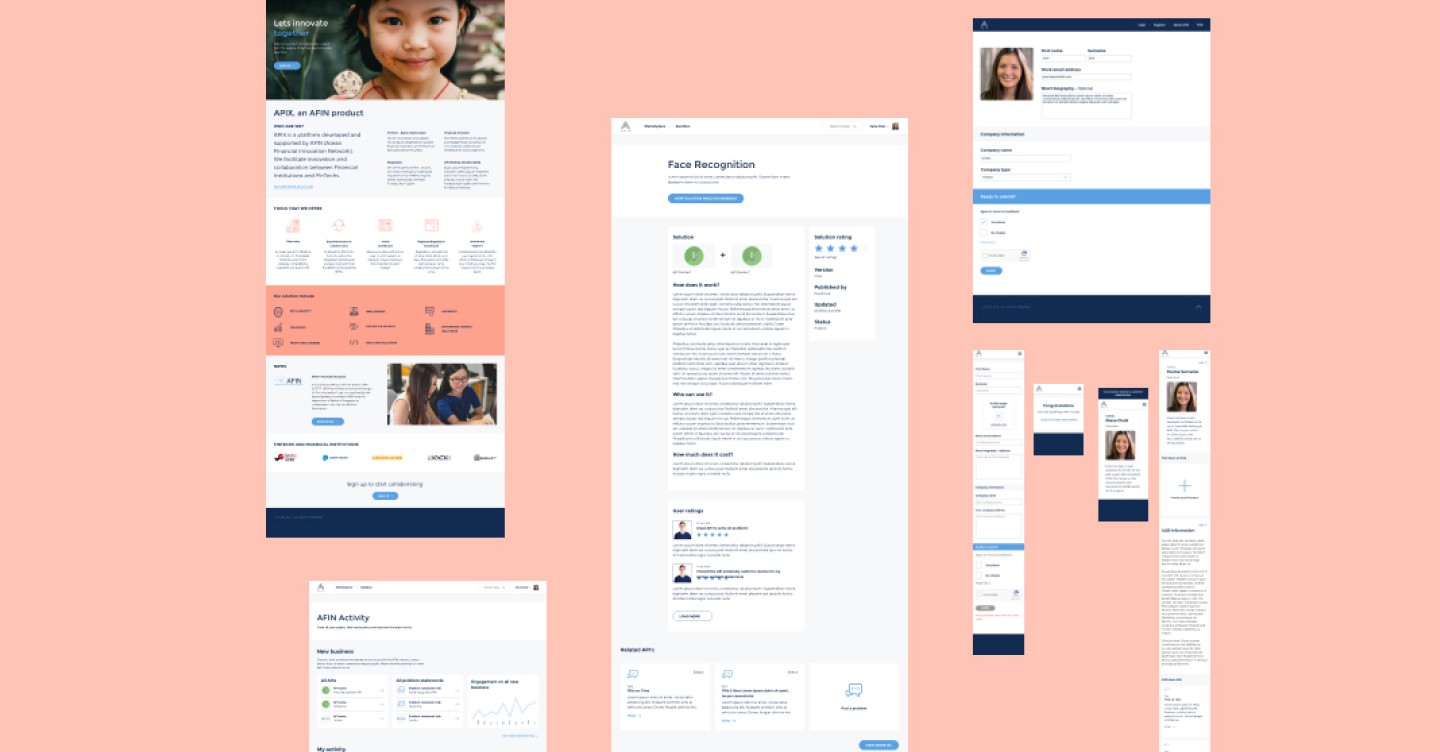
This pivotal phase entails transforming our learnings into tangible wireframes then design.
We began by prioritising critical user needs with key business objectives to create a product that delivers clear value to users while serving the company's goals, avoiding feature overload. To achieve the delicate balance between both I had enough experience of the importance to involve stakeholders from both sides early on and have them part of the decision making process.
Insights into actionable design elements
This pivotal phase entails transforming our learnings into tangible wireframes then design.
We began by prioritising critical user needs with key business objectives to create a product that delivers clear value to users while serving the company's goals, avoiding feature overload. To achieve the delicate balance between both I had enough experience of the importance to involve stakeholders from both sides early on and have them part of the decision making process.
Insights into actionable design elements
This pivotal phase entails transforming our learnings into tangible wireframes then design.
We began by prioritising critical user needs with key business objectives to create a product that delivers clear value to users while serving the company's goals, avoiding feature overload. To achieve the delicate balance between both I had enough experience of the importance to involve stakeholders from both sides early on and have them part of the decision making process.
Insights into actionable design elements
This pivotal phase entails transforming our learnings into tangible wireframes then design.
We began by prioritising critical user needs with key business objectives to create a product that delivers clear value to users while serving the company's goals, avoiding feature overload. To achieve the delicate balance between both I had enough experience of the importance to involve stakeholders from both sides early on and have them part of the decision making process.
Insights into actionable design elements
This pivotal phase entails transforming our learnings into tangible wireframes then design.
We began by prioritising critical user needs with key business objectives to create a product that delivers clear value to users while serving the company's goals, avoiding feature overload. To achieve the delicate balance between both I had enough experience of the importance to involve stakeholders from both sides early on and have them part of the decision making process.
User flow
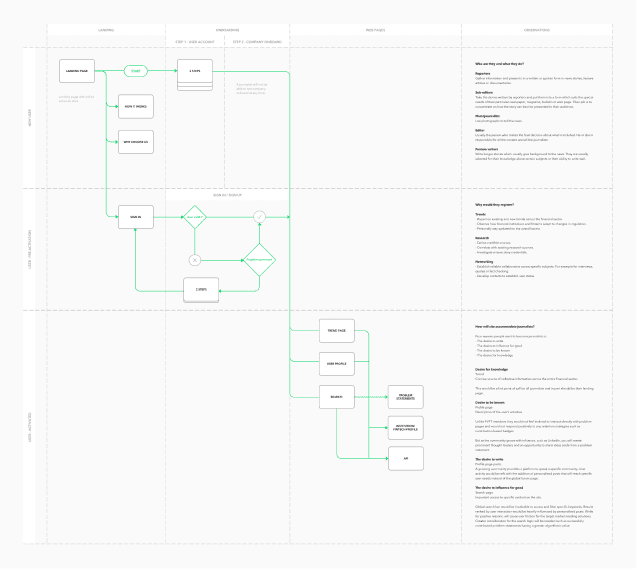
I went about crafting user flows for each identified user. This would be the blueprint for developing the essential low-fidelity wireframes.
User flow
I went about crafting user flows for each identified user. This would be the blueprint for developing the essential low-fidelity wireframes.
User flow
I went about crafting user flows for each identified user. This would be the blueprint for developing the essential low-fidelity wireframes.
User flow
I went about crafting user flows for each identified user. This would be the blueprint for developing the essential low-fidelity wireframes.
User flow
I went about crafting user flows for each identified user. This would be the blueprint for developing the essential low-fidelity wireframes.


Wireframing
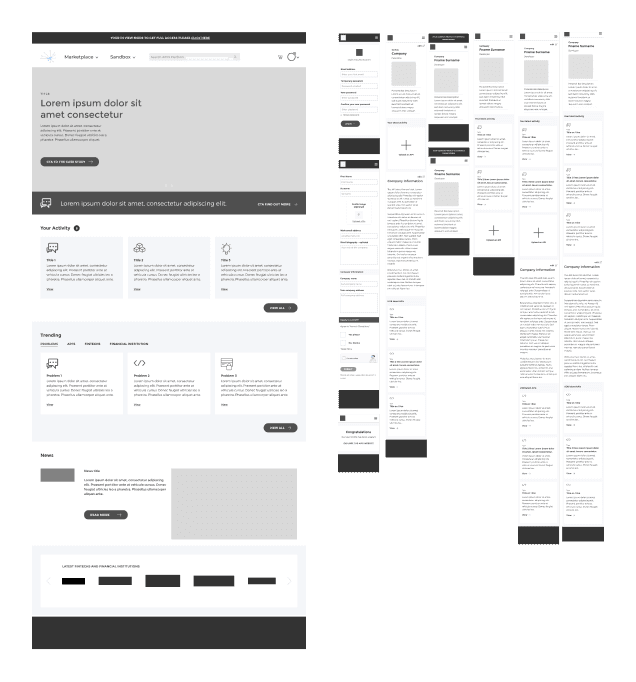
We began prioritising tasks from the insights to produce a set of requirements for the initial wireframe concepts.
Wireframing
We began prioritising tasks from the insights to produce a set of requirements for the initial wireframe concepts.
Wireframing
We began prioritising tasks from the insights to produce a set of requirements for the initial wireframe concepts.
Wireframing
We began prioritising tasks from the insights to produce a set of requirements for the initial wireframe concepts.
Wireframing
We began prioritising tasks from the insights to produce a set of requirements for the initial wireframe concepts.


Remote testing
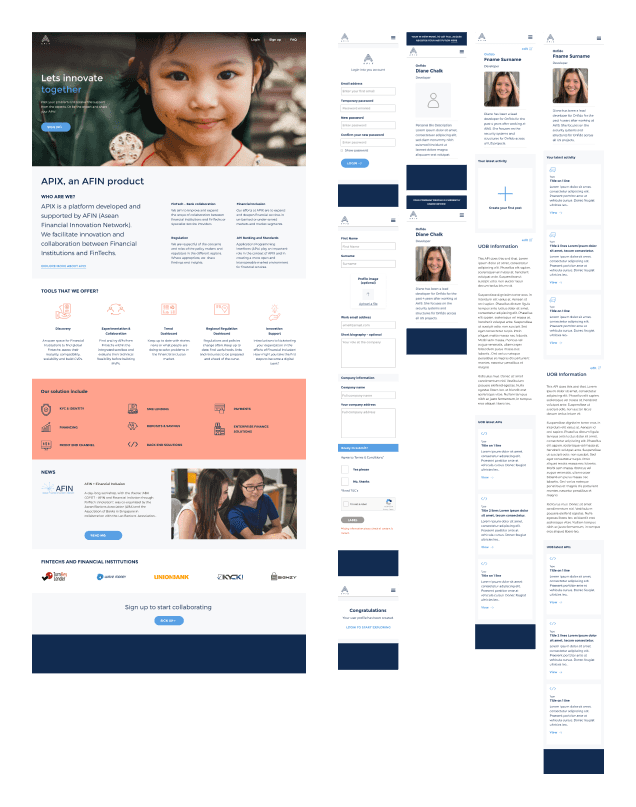
Using the original survey group from all 11 countries plus supplementary users identified as targeted groups we facilitated remote testing in a prioritised week-long sprint. I documented all new insights from each testing session identifying any areas for improvement.
Remote testing
Using the original survey group from all 11 countries plus supplementary users identified as targeted groups we facilitated remote testing in a prioritised week-long sprint. I documented all new insights from each testing session identifying any areas for improvement.
Remote testing
Using the original survey group from all 11 countries plus supplementary users identified as targeted groups we facilitated remote testing in a prioritised week-long sprint. I documented all new insights from each testing session identifying any areas for improvement.
Remote testing
Using the original survey group from all 11 countries plus supplementary users identified as targeted groups we facilitated remote testing in a prioritised week-long sprint. I documented all new insights from each testing session identifying any areas for improvement.
Remote testing
Using the original survey group from all 11 countries plus supplementary users identified as targeted groups we facilitated remote testing in a prioritised week-long sprint. I documented all new insights from each testing session identifying any areas for improvement.


Onboarding issues
Onboarding issues
Onboarding issues
Onboarding issues
Onboarding issues
Building trust in cross-border data sharing
As APIX connected banks and fintechs across 11 countries, onboarding users to share institutional data securely was a critical step.
Research through early testing showed hesitation among users to link sensitive data due to inconsistent regulatory language and unclear privacy assurances.
To address this, I redesigned the onboarding flow with progressive disclosure, introducing region-specific trust signals and clear explanations of how data was used and protected. Each screen was tested for clarity and tone across diverse user groups.
As a result, data-link completion rates improved by 28%, and user feedback highlighted stronger confidence in privacy, clarity, and compliance - critical for enabling collaboration across jurisdictions.
Building trust in cross-border data sharing
As APIX connected banks and fintechs across 11 countries, onboarding users to share institutional data securely was a critical step.
Research through early testing showed hesitation among users to link sensitive data due to inconsistent regulatory language and unclear privacy assurances.
To address this, I redesigned the onboarding flow with progressive disclosure, introducing region-specific trust signals and clear explanations of how data was used and protected. Each screen was tested for clarity and tone across diverse user groups.
As a result, data-link completion rates improved by 28%, and user feedback highlighted stronger confidence in privacy, clarity, and compliance - critical for enabling collaboration across jurisdictions.
Building trust in cross-border data sharing
As APIX connected banks and fintechs across 11 countries, onboarding users to share institutional data securely was a critical step.
Research through early testing showed hesitation among users to link sensitive data due to inconsistent regulatory language and unclear privacy assurances.
To address this, I redesigned the onboarding flow with progressive disclosure, introducing region-specific trust signals and clear explanations of how data was used and protected. Each screen was tested for clarity and tone across diverse user groups.
As a result, data-link completion rates improved by 28%, and user feedback highlighted stronger confidence in privacy, clarity, and compliance - critical for enabling collaboration across jurisdictions.
Building trust in cross-border data sharing
As APIX connected banks and fintechs across 11 countries, onboarding users to share institutional data securely was a critical step.
Research through early testing showed hesitation among users to link sensitive data due to inconsistent regulatory language and unclear privacy assurances.
To address this, I redesigned the onboarding flow with progressive disclosure, introducing region-specific trust signals and clear explanations of how data was used and protected. Each screen was tested for clarity and tone across diverse user groups.
As a result, data-link completion rates improved by 28%, and user feedback highlighted stronger confidence in privacy, clarity, and compliance - critical for enabling collaboration across jurisdictions.
Building trust in cross-border data sharing
As APIX connected banks and fintechs across 11 countries, onboarding users to share institutional data securely was a critical step.
Research through early testing showed hesitation among users to link sensitive data due to inconsistent regulatory language and unclear privacy assurances.
To address this, I redesigned the onboarding flow with progressive disclosure, introducing region-specific trust signals and clear explanations of how data was used and protected. Each screen was tested for clarity and tone across diverse user groups.
As a result, data-link completion rates improved by 28%, and user feedback highlighted stronger confidence in privacy, clarity, and compliance - critical for enabling collaboration across jurisdictions.
Enabling team and partner activation
APIX’s success depended on multi-stakeholder collaboration, banks, fintechs, and engineers working together in shared digital sandboxes. However, onboarding data showed that many users signed up individually, failing to invite teammates or partners, which limited engagement and slowed project creation.
I introduced contextual prompts and onboarding milestones that encouraged early team setup, redesigned the invitation flow, and visualized the value of collaboration through interface cues and progress indicators. Remote testing helped refine usability for distributed teams across different time zones.
The updated flow led to a 42% increase in team activations and nearly doubled first-session collaboration metrics, helping users experience value faster and strengthening APIX’s community-driven ecosystem.
Enabling team and partner activation
APIX’s success depended on multi-stakeholder collaboration, banks, fintechs, and engineers working together in shared digital sandboxes. However, onboarding data showed that many users signed up individually, failing to invite teammates or partners, which limited engagement and slowed project creation.
I introduced contextual prompts and onboarding milestones that encouraged early team setup, redesigned the invitation flow, and visualized the value of collaboration through interface cues and progress indicators. Remote testing helped refine usability for distributed teams across different time zones.
The updated flow led to a 42% increase in team activations and nearly doubled first-session collaboration metrics, helping users experience value faster and strengthening APIX’s community-driven ecosystem.
Enabling team and partner activation
APIX’s success depended on multi-stakeholder collaboration, banks, fintechs, and engineers working together in shared digital sandboxes. However, onboarding data showed that many users signed up individually, failing to invite teammates or partners, which limited engagement and slowed project creation.
I introduced contextual prompts and onboarding milestones that encouraged early team setup, redesigned the invitation flow, and visualized the value of collaboration through interface cues and progress indicators. Remote testing helped refine usability for distributed teams across different time zones.
The updated flow led to a 42% increase in team activations and nearly doubled first-session collaboration metrics, helping users experience value faster and strengthening APIX’s community-driven ecosystem.
Enabling team and partner activation
APIX’s success depended on multi-stakeholder collaboration, banks, fintechs, and engineers working together in shared digital sandboxes. However, onboarding data showed that many users signed up individually, failing to invite teammates or partners, which limited engagement and slowed project creation.
I introduced contextual prompts and onboarding milestones that encouraged early team setup, redesigned the invitation flow, and visualized the value of collaboration through interface cues and progress indicators. Remote testing helped refine usability for distributed teams across different time zones.
The updated flow led to a 42% increase in team activations and nearly doubled first-session collaboration metrics, helping users experience value faster and strengthening APIX’s community-driven ecosystem.
Enabling team and partner activation
APIX’s success depended on multi-stakeholder collaboration, banks, fintechs, and engineers working together in shared digital sandboxes. However, onboarding data showed that many users signed up individually, failing to invite teammates or partners, which limited engagement and slowed project creation.
I introduced contextual prompts and onboarding milestones that encouraged early team setup, redesigned the invitation flow, and visualized the value of collaboration through interface cues and progress indicators. Remote testing helped refine usability for distributed teams across different time zones.
The updated flow led to a 42% increase in team activations and nearly doubled first-session collaboration metrics, helping users experience value faster and strengthening APIX’s community-driven ecosystem.
Design system
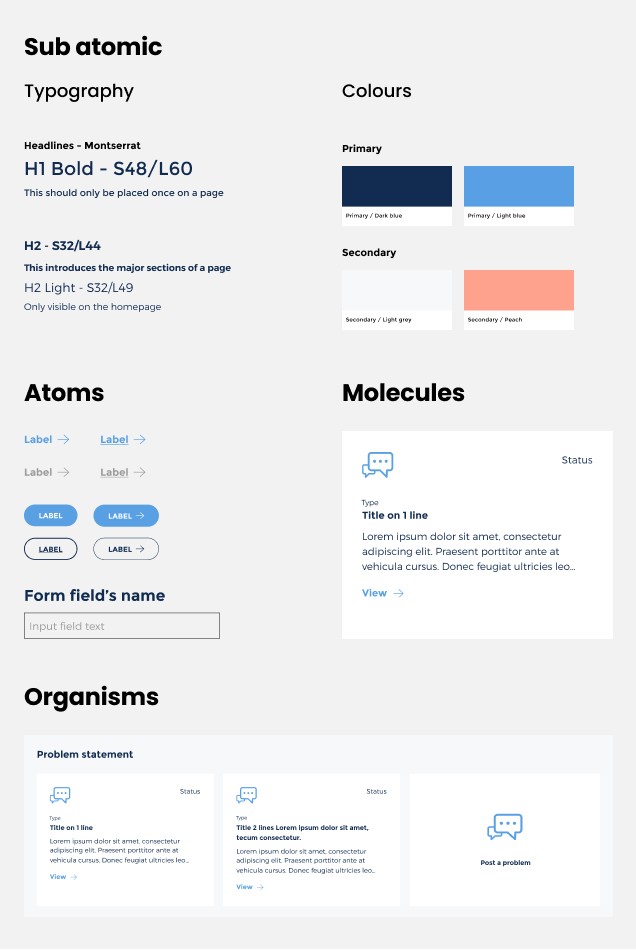
To ensure consistency, structure, and effective communication among all team members, we developed a comprehensive design system. We selected a simple, readable humanist typeface to enhance legibility across various sizes. Our color palette strikes a balance between maturity and modernity, providing excellent contrast.
Design system
To ensure consistency, structure, and effective communication among all team members, we developed a comprehensive design system. We selected a simple, readable humanist typeface to enhance legibility across various sizes. Our color palette strikes a balance between maturity and modernity, providing excellent contrast.
Design system
To ensure consistency, structure, and effective communication among all team members, we developed a comprehensive design system. We selected a simple, readable humanist typeface to enhance legibility across various sizes. Our color palette strikes a balance between maturity and modernity, providing excellent contrast.
Design system
To ensure consistency, structure, and effective communication among all team members, we developed a comprehensive design system. We selected a simple, readable humanist typeface to enhance legibility across various sizes. Our color palette strikes a balance between maturity and modernity, providing excellent contrast.
Design system
To ensure consistency, structure, and effective communication among all team members, we developed a comprehensive design system. We selected a simple, readable humanist typeface to enhance legibility across various sizes. Our color palette strikes a balance between maturity and modernity, providing excellent contrast.


Results
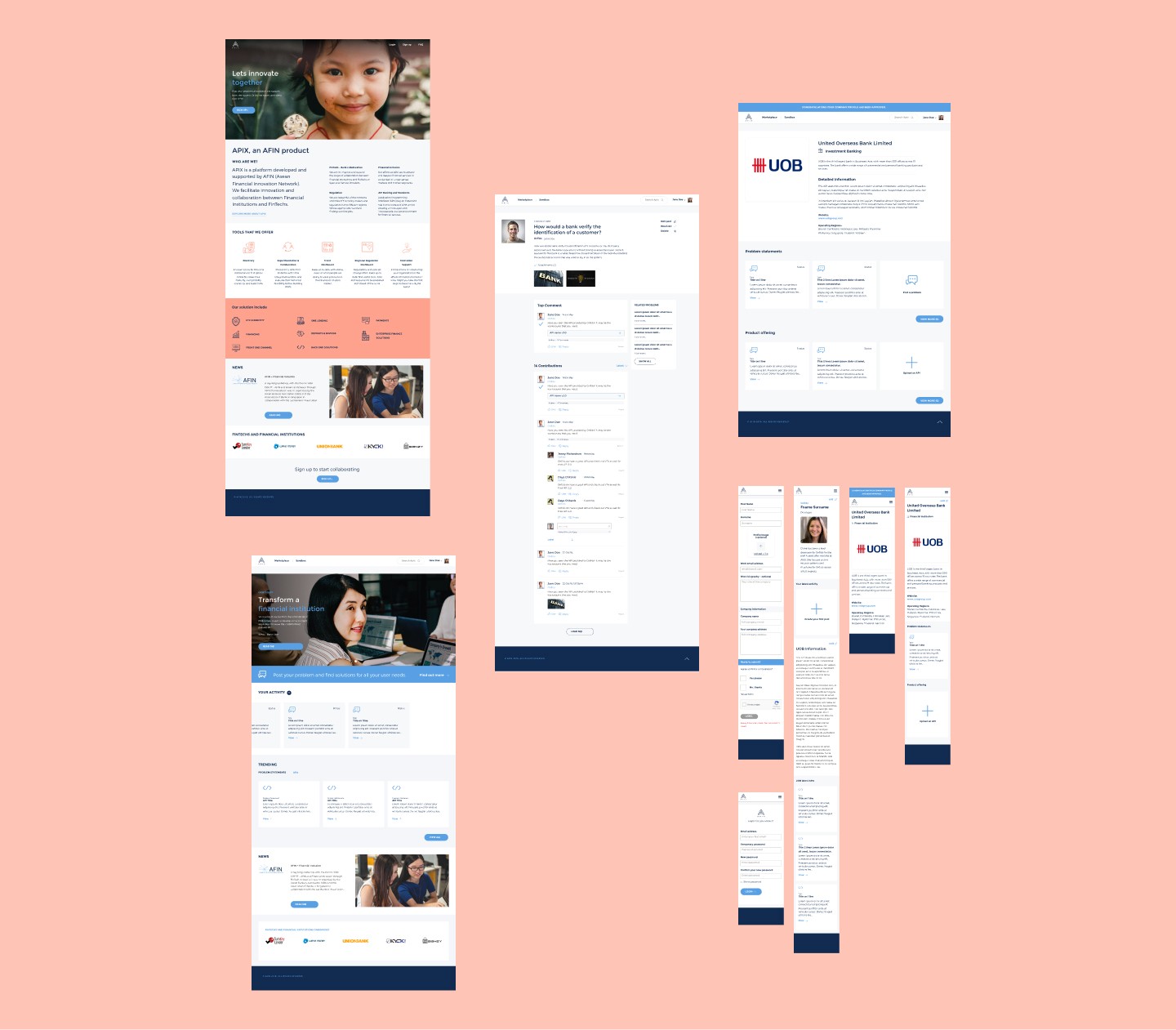
APIX is the world’s first cross-border, open-architecture API marketplace and sandbox platform for collaboration between FinTechs and financial institutions.
Results
APIX is the world’s first cross-border, open-architecture API marketplace and sandbox platform for collaboration between FinTechs and financial institutions.
Results
APIX is the world’s first cross-border, open-architecture API marketplace and sandbox platform for collaboration between FinTechs and financial institutions.
Results
APIX is the world’s first cross-border, open-architecture API marketplace and sandbox platform for collaboration between FinTechs and financial institutions.
Results
APIX is the world’s first cross-border, open-architecture API marketplace and sandbox platform for collaboration between FinTechs and financial institutions.


Key learnings
Onboarding was a continual issue throughout with the client requesting an array of intrusive information requests that did not align with the primary strategic goal of the project. Despite initial prototypes and research group findings, a key takeaway was that as designers we must find the delicate balance between the business goals as well as the user needs. This may not happen straight away but it is ok as it is part of the design process.
Coming into an established and truly global team, coordination between team members was often lacking as many group tasks were partitioned rather than focusing on the integration of different tasks. As the project continued we realised how improved communication as well as better detailed planning for cross-functional touch-points with the wider team especially at key intersections was indispensable to the success of the project.
Key learnings
Onboarding was a continual issue throughout with the client requesting an array of intrusive information requests that did not align with the primary strategic goal of the project. Despite initial prototypes and research group findings, a key takeaway was that as designers we must find the delicate balance between the business goals as well as the user needs. This may not happen straight away but it is ok as it is part of the design process.
Coming into an established and truly global team, coordination between team members was often lacking as many group tasks were partitioned rather than focusing on the integration of different tasks. As the project continued we realised how improved communication as well as better detailed planning for cross-functional touch-points with the wider team especially at key intersections was indispensable to the success of the project.
Key learnings
Onboarding was a continual issue throughout with the client requesting an array of intrusive information requests that did not align with the primary strategic goal of the project. Despite initial prototypes and research group findings, a key takeaway was that as designers we must find the delicate balance between the business goals as well as the user needs. This may not happen straight away but it is ok as it is part of the design process.
Coming into an established and truly global team, coordination between team members was often lacking as many group tasks were partitioned rather than focusing on the integration of different tasks. As the project continued we realised how improved communication as well as better detailed planning for cross-functional touch-points with the wider team especially at key intersections was indispensable to the success of the project.
Key learnings
Onboarding was a continual issue throughout with the client requesting an array of intrusive information requests that did not align with the primary strategic goal of the project. Despite initial prototypes and research group findings, a key takeaway was that as designers we must find the delicate balance between the business goals as well as the user needs. This may not happen straight away but it is ok as it is part of the design process.
Coming into an established and truly global team, coordination between team members was often lacking as many group tasks were partitioned rather than focusing on the integration of different tasks. As the project continued we realised how improved communication as well as better detailed planning for cross-functional touch-points with the wider team especially at key intersections was indispensable to the success of the project.
Key learnings
Onboarding was a continual issue throughout with the client requesting an array of intrusive information requests that did not align with the primary strategic goal of the project. Despite initial prototypes and research group findings, a key takeaway was that as designers we must find the delicate balance between the business goals as well as the user needs. This may not happen straight away but it is ok as it is part of the design process.
Coming into an established and truly global team, coordination between team members was often lacking as many group tasks were partitioned rather than focusing on the integration of different tasks. As the project continued we realised how improved communication as well as better detailed planning for cross-functional touch-points with the wider team especially at key intersections was indispensable to the success of the project.
